
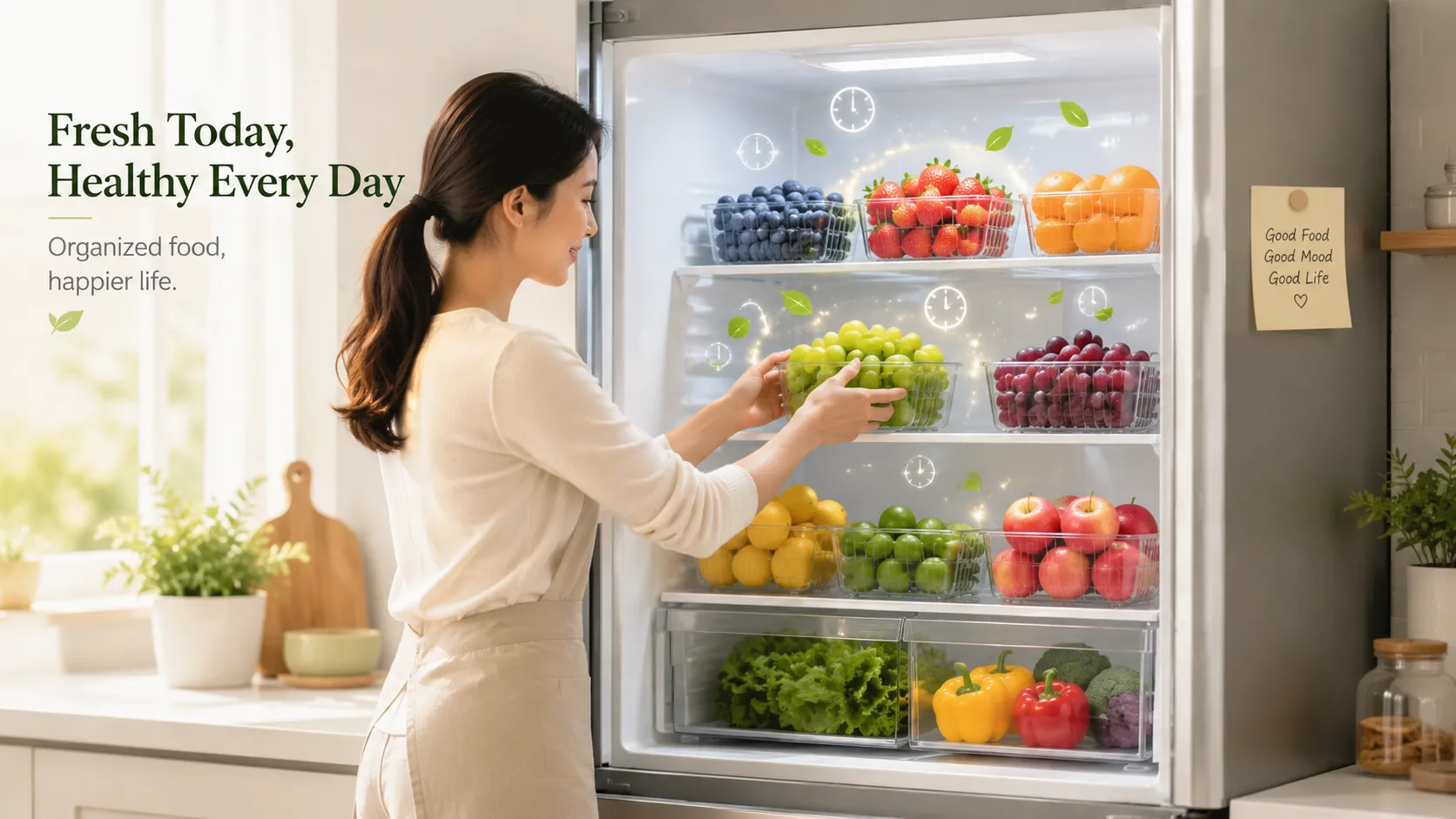
Most people have experienced the disappointment of opening the refrigerator and discovering strawberries covered in mold or apples that have become soft and wrinkled. Fresh fruit is expensive, and watching it spoil before you have a chance to enjoy it feels like throwing money straight into the trash. Good storage habits are not just about keeping food attractive. They also help preserve flavor, texture, and nutrients while reducing unnecessary waste.
Research from the U.
S. Department of Agriculture highlights how temperature, humidity, and airflow play critical roles in maintaining produce quality. Fruits naturally continue to ripen after harvest, and improper storage can speed up this process dramatically. Freshness also affects the eating experience. Crisp grapes, juicy oranges, and sweet berries are far more appealing than mushy or overripe fruit. Think of your refrigerator as a tiny ecosystem. When everything is arranged correctly, fruits can stay delicious for much longer. A little organization today can save money, reduce waste, and make healthy snacking easier throughout the week.
The Hidden Cost of Food Waste
Food waste adds up quickly. One spoiled container of berries may not seem like much, but repeated losses throughout the year become surprisingly expensive. The average household wastes hundreds of dollars worth of food annually, with fruits and vegetables accounting for a large percentage of those losses. The problem often comes down to storage mistakes rather than buying too much. Fruits are living foods that continue to breathe and release gases after harvest. Without the right environment, they age rapidly. Learning a few simple habits can dramatically extend their shelf life.
Why Freshness Affects Taste and Nutrition
Fresh fruits contain vitamins, antioxidants, and fiber that contribute to overall health. Over time, nutrients such as vitamin C gradually decline. Recent reports also note that prolonged storage and incorrect refrigeration can affect both flavor and nutritional quality. Keeping fruit fresh is similar to preserving a beautiful painting. Exposure to the wrong conditions slowly dulls the colors and weakens the details. Proper storage protects both appearance and nutritional value.
Why Some Fruits Spoil Faster Than Others
Not all fruits age at the same pace. Bananas may turn brown within days, while apples often remain crisp for weeks. The difference lies largely in natural ripening processes and the production of ethylene gas.
Understanding Ethylene Gas
Ethylene is a natural plant hormone released by many fruits. Apples, bananas, pears, avocados, tomatoes, and melons are among the biggest producers. Ethylene acts like a messenger, telling fruits that it is time to ripen. Unfortunately, nearby fruits receive the same signal and begin aging faster as well. Imagine one enthusiastic dancer starting a chain reaction on the dance floor. Soon everyone joins in. Ethylene behaves in much the same way. One ripe banana can encourage an entire fruit bowl to ripen simultaneously.
Climacteric and Non-Climacteric Fruits
Scientists classify fruits into two categories.
| Climacteric Fruits | Non-Climacteric Fruits |
|---|---|
| Apples | Citrus Fruits |
| Bananas | Strawberries |
| Pears | Grapes |
| Avocados | Cherries |
| Peaches | Pineapple |
Climacteric fruits continue ripening after harvest and release significant amounts of ethylene. Non-climacteric fruits do not respond in the same way and generally maintain quality longer under refrigeration. Understanding these differences makes it easier to organize produce properly and prevent premature spoilage.
The Role of Moisture and Airflow in Freshness
Moisture and airflow often receive less attention than temperature, yet they are equally important. Fruits need a delicate balance. Too much humidity encourages mold growth, while too little causes dehydration and shriveling.
Why Excess Moisture Causes Mold
Condensation is one of the biggest enemies of fresh produce. Water trapped inside containers or sealed bags creates ideal conditions for mold and bacteria. Experts recommend avoiding washing fruit until just before eating because excess moisture accelerates spoilage. Berries are particularly sensitive. Even a small amount of trapped moisture can transform a fresh container into a fuzzy science experiment within days.
Why Air Circulation Helps Fruit Last Longer
Good airflow helps remove excess moisture and prevents ethylene gas from accumulating. Agricultural experts emphasize that proper ventilation and air circulation are essential for extending produce shelf life. Ventilated packaging works especially well for grapes because it allows moisture to escape rather than collect inside the bag. Recent experts from the University of Florida explained that ventilation slows mold growth and helps maintain freshness. Think of airflow as the fruit’s personal breathing space. Crowding everything together may save room, but it shortens shelf life.
Fruits That Should Never Be Stored Together
One of the easiest ways to preserve fruit is separating ethylene producers from ethylene-sensitive produce.
High Ethylene Producers
These fruits release large amounts of ethylene:
- Apples
- Bananas
- Pears
- Peaches
- Avocados
- Tomatoes
- Melons
Ethylene-Sensitive Produce
These foods are easily affected by ethylene exposure:
- Strawberries
- Leafy greens
- Cucumbers
- Broccoli
- Carrots
- Lettuce
- Cauliflower

Jalen Mercer is a 38-year-old American health writer living in Richmond, Virginia. With years of experience creating educational online content, he specializes in breakfast nutrition, wellness trends, and lifestyle improvement. As an author for healthybreakfast.xyz, he is committed to producing fact-based articles that reflect careful research, practical experience, and a genuine passion for helping readers build healthier routines.